
The word "unlimited" gets abused, so here is the honest version. Unlimited design for startups means a flat monthly fee buys an unlimited queue of requests and revisions instead of per-project quotes. You submit as many tasks as you like, they are delivered one or two at a time in priority order, and most requests return in about 72 hours.
What "unlimited" actually means
Unlimited design does not mean infinite work delivered at once. It means there is no cap on how many requests you submit or how many revision rounds you ask for, and no per-item invoice. You add tasks to a queue, the team works through them in priority order, usually one or two active at a time, and you pull the next one forward whenever the current one ships.
That structure is what makes a flat fee possible. You are buying a dedicated design pipeline, not a fixed deliverable. For a startup with steady, varied, unpredictable demand, that is a far better fit than quoting every job.
What a flat monthly fee covers
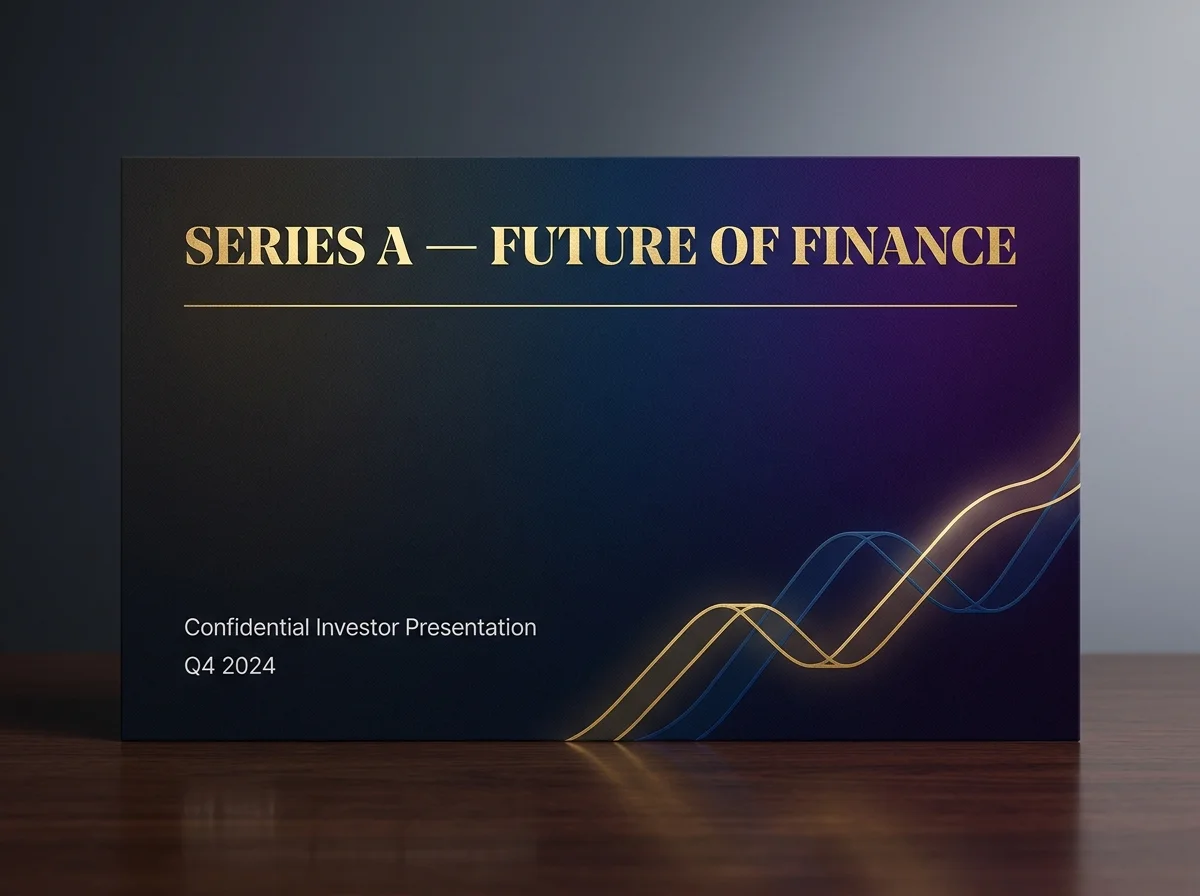
On a real all-in-one plan the fee covers the whole design stack, not just one category. At PitchWorx, $699/mo includes unlimited requests and revisions across every category:
- Pitch decks: investor decks, sales decks, teasers and board updates.
- Brand identity: logos, brand systems and guidelines.
- Social media: post sets, ad creative and templates.
- Web design: landing pages, site sections and UI.
- Video and motion: explainers, animated logos and motion graphics.
- Print: one-pagers, brochures and event collateral.
- Illustration and infographics: custom art, data visuals and diagrams.
One team, one queue, one price. You are not re-scoping or renegotiating when your needs shift from a deck this week to a landing page next week.
How the queue actually works
The workflow is deliberately simple, which is the point.
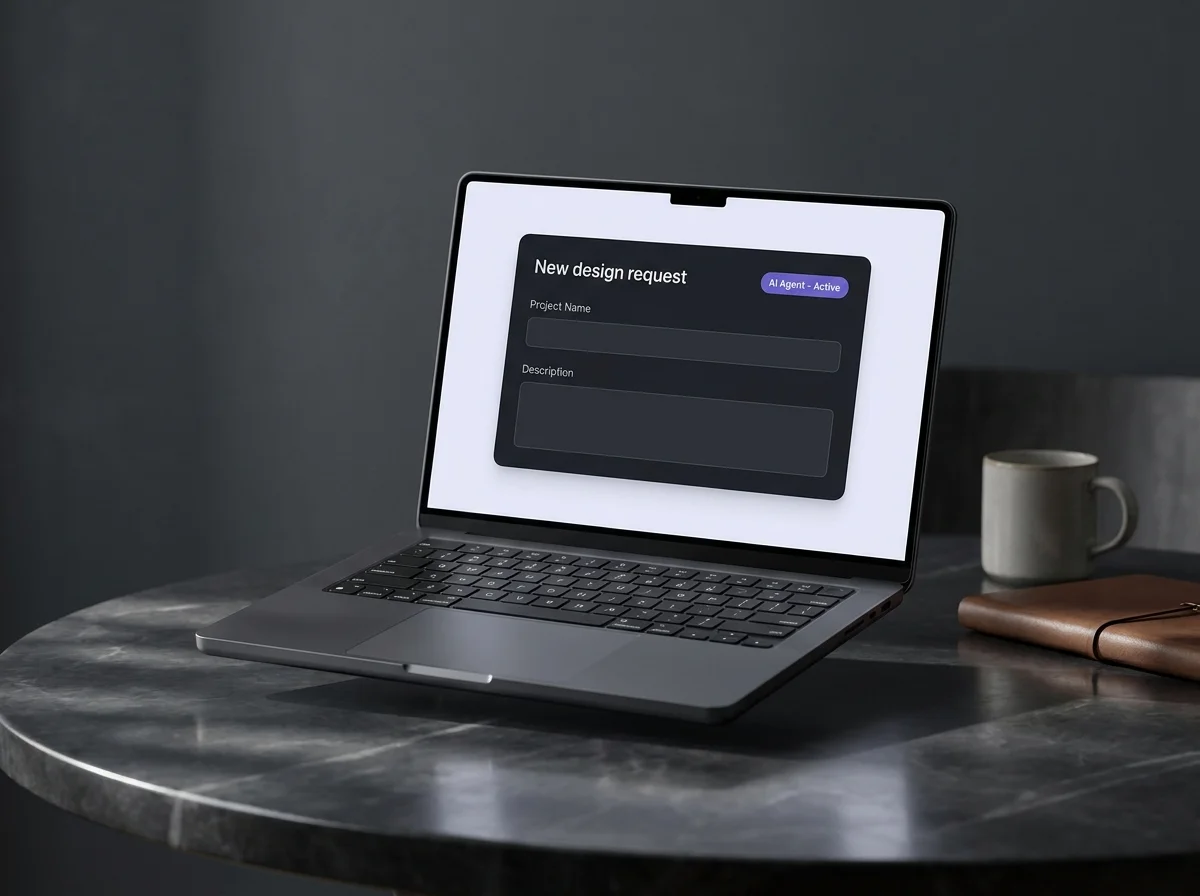
- Submit requests. Add as many as you want to your board, with a brief and any references.
- Set priority. Order them however you like. The top active request is what the team works on.
- Receive work. Most requests come back in about 72 hours. Larger jobs, like a full 30-slide investor deck, are split into milestones so you still see progress fast.
- Revise freely. Send it back as many times as you need. Revisions do not cost extra and do not count against anything.
- Pull the next one. As soon as one ships, the next request becomes active.
Because the team already knows your brand, there is no re-briefing tax on each new task. That compounding context is a big reason subscription work gets faster and more on-brand over the first few weeks.
Where the real limits are
Honest positioning means naming the limits. Unlimited applies to how many requests and revisions you submit, not to parallel throughput. A few practical boundaries:
- Active slots, not simultaneous everything. Work is delivered one or two tasks at a time. If you add forty requests on day one, they still flow through in priority order.
- Scope per request stays reasonable. A single request is one coherent deliverable, not a full product and brand redesign by Friday. Big initiatives are broken into requests.
- It is design execution, not strategy consulting. You get senior design craft on a fast loop. It is not a replacement for a product or brand strategist, though the team will flag when something is off.
Set against per-project pricing, these are gentle constraints. For the vast majority of startup workloads, the queue never runs dry and you never see a surprise invoice.
Why unlimited fits the startup rhythm
Startups do not have a predictable, one-deck-per-quarter cadence. You have a teaser to build, then investors want a longer version, then a sales deck, then a launch needs social and a landing page, then the board wants an update. Priced per project, that churn is a stream of quotes, scoping calls and re-briefs. On a flat fee it is one line item and one queue.
The common worry is that generalist unlimited means shallow quality. PitchWorx answers that on the work that matters most: pitch decks are led by a team with 13+ years designing decks for Fortune 500 brands, so you get subscription convenience without trading away specialist depth. Breadth across the stack, proof of depth where the stakes are highest.
If you want the numbers behind the model, read whether a design subscription is worth it, or weigh it against other structures in design subscription vs agency vs freelancer.
Frequently asked questions
What does unlimited design for startups actually include?
Unlimited requests and unlimited revisions for a flat monthly fee, delivered through a priority queue. At PitchWorx that spans decks, brand, social, web, video, print and illustration for $699/mo, with no per-item charges.
Does unlimited mean I get everything at once?
No. It means no cap on how many requests or revisions you submit. Work is delivered one or two active tasks at a time, in the priority order you set, typically within about 72 hours each.
How many requests can I submit at once?
As many as you want. They sit in a queue and flow through by priority, so you can load up a full backlog and let the team work through it without extra cost.
Are revisions really unlimited?
Yes. You can send a request back as many times as needed without new charges. Unlimited iteration is one of the main advantages over per-slide or per-project pricing.
Is unlimited design lower quality than an agency?
Not inherently. Quality depends on the team. PitchWorx pairs full-stack breadth with a deck team carrying 13+ years of Fortune 500 experience, matching specialist depth on the highest-stakes work.
How fast is turnaround on an unlimited plan?
Most requests return in about 72 hours. Larger deliverables are split into milestones so you see progress quickly rather than waiting weeks for one drop.
See the full model on our design subscription for startups page, or see pricing.