Early-stage teams generate design demand in bursts that never stop. One week it's an investor deck, the next a landing page, then a launch campaign, then a trade-show banner, then a founder's LinkedIn carousel. Hiring a full-time designer for that is expensive and slow to fill, and a single hire rarely covers decks, motion and brand identity equally well. Freelancers solve one task at a time but reintroduce the same tax on every project: sourcing, briefing, negotiating scope and waiting on availability.
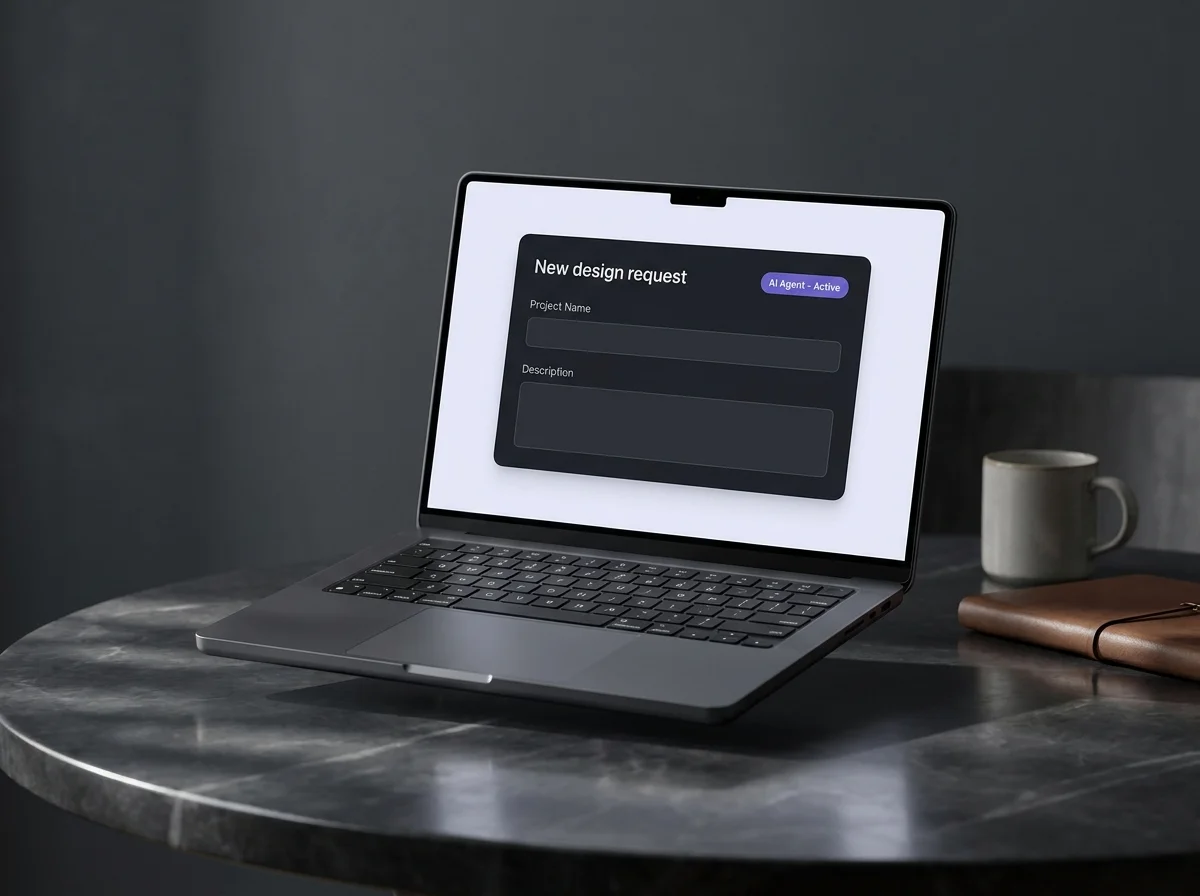
A design subscription for startups collapses that whole cycle into one relationship. You submit requests to a single queue, a senior team picks them up, and the work comes back on a predictable rhythm. There's no per-project quote, no scope negotiation and no gap between needing something and having someone on it.
What a startup design subscription actually covers
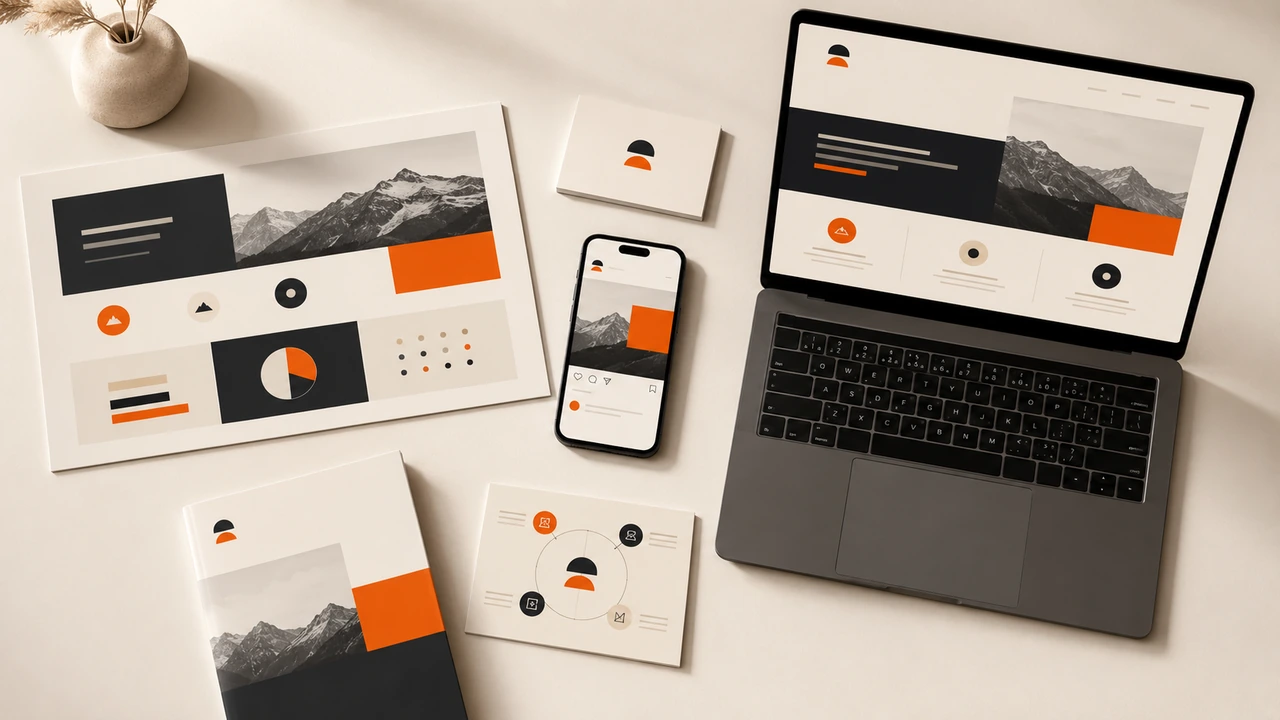
The point of the model is breadth. A subscription worth paying for should absorb the entire design stack a growing company touches in a year, not just one category. At PitchWorx that stack includes:
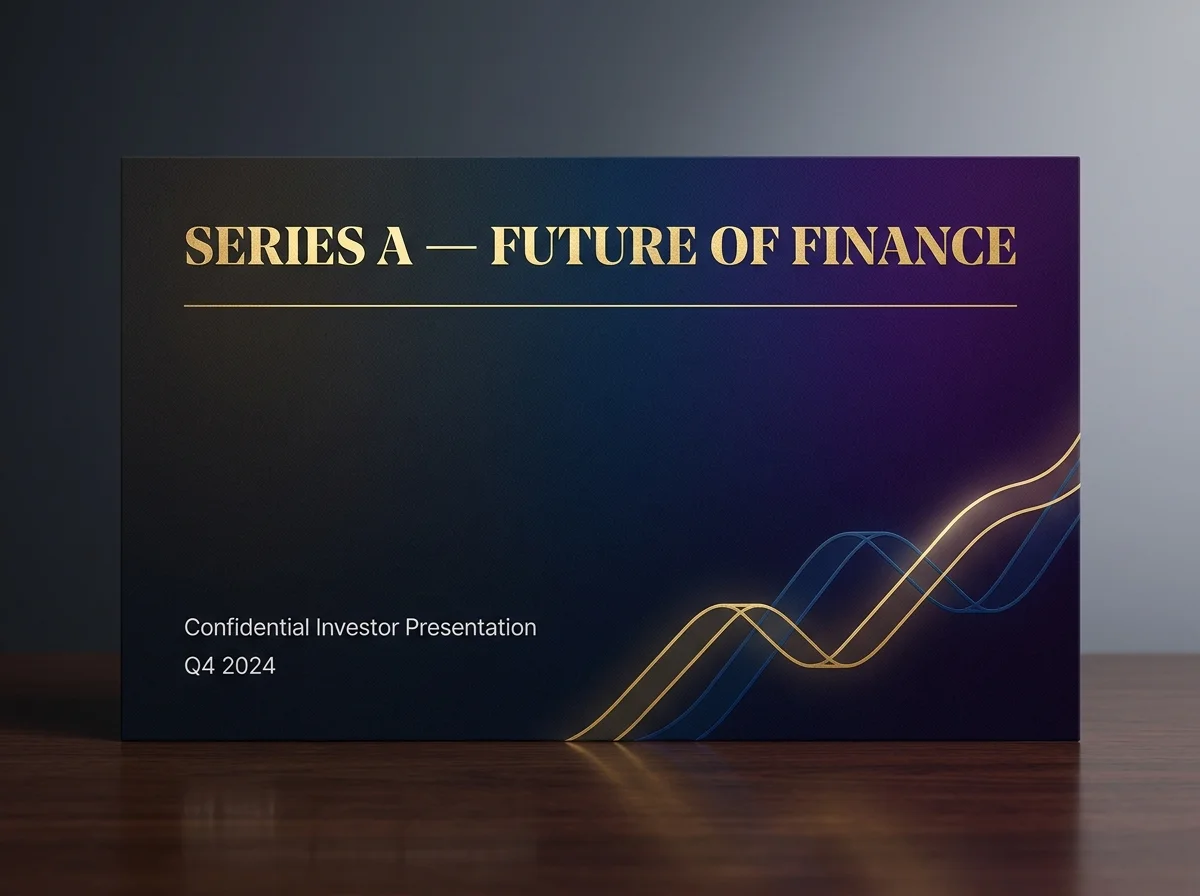
- Presentation and pitch deck design for investors, sales and board updates
- Brand identity: logos, colour systems, typography and guidelines
- Social and marketing creatives for campaigns and always-on content
- Web design for landing pages and marketing sites
- Video and motion graphics for launches, ads and explainers
- Print and packaging for events, collateral and products
- Books, reports and magazine layouts
- Illustration and infographics for content and data storytelling
One subscription, one team, one invoice. You never have to hire, brief a new freelancer or shop an agency again.
The 2026 playbook: how to run a subscription well
1. Route everything to one queue
The biggest saving is cognitive, not financial. Stop deciding who does what. If it needs design, it goes in the same queue. That single habit removes the sourcing overhead that quietly eats a founder's week.
2. Prioritise ruthlessly
Unlimited requests don't mean unlimited parallel work. Most subscriptions, including ours, work one or two active requests at a time and clear them fast. Order your queue by what moves the business this week: the deck in front of a live raise beats the blog header every time.
3. Write briefs once, reuse forever
Load your brand assets, tone and past examples up front. After the first few requests the team knows your system, and briefs shrink to a sentence. This is where a subscription pulls ahead of rotating freelancers who each start from zero.
4. Treat depth as the tiebreaker
Breadth is common. Depth is rare. The reason to consolidate with one partner is that the hardest work, usually the investor pitch deck, is done by people who've designed decks for Fortune 500 brands for 13+ years, not treated as a side task. That depth is what makes the breadth trustworthy.
Design subscription vs the alternatives
Here's how the flat-fee subscription model compares with the three ways startups usually buy design:
- Design subscription (PitchWorx): flat $699/mo, about a 72-hour turnaround per request, the full stack from one team. Best for startups with steady, varied demand.
- In-house designer: $70k to $120k+ a year, immediate but capped by one person's skill set. Best for later-stage teams with constant single-discipline load.
- Freelancers: $50 to $150+ an hour, turnaround varies by availability, one hire per skill. Best for one-off, specialised projects.
- Traditional agency: $5k to $20k+ per project, turnaround in weeks, broad but slow and costly. Best for large campaigns with big budgets.
For the full cost picture, see our pricing and our honest take on whether a design subscription is worth it.
When a subscription is the right call
The model fits best when your design demand is frequent, varied and hard to predict, which describes almost every funded startup. If you need one logo and nothing else for a year, hire a freelancer for that logo. If you'll need a deck this month, a campaign next month and a site refresh after that, a subscription is cheaper and far less work to manage than assembling that from scratch each time.
Teams comparing consolidation against hiring or agencies should start with our design subscription for startups overview.
Frequently asked questions
What is a design subscription for startups?
It's a flat monthly service that handles all of a startup's design work, decks, brand, social, web, video and print, through one senior team, instead of hiring in-house or managing multiple freelancers. PitchWorx charges a flat $699/mo for unlimited requests and revisions.
How much does a design subscription cost?
PitchWorx is a flat $699/mo with no per-project fees, no hourly billing and no scope negotiation. You can pause or cancel at any time.
How fast is the turnaround?
Most individual requests are returned within about 72 hours. Larger projects are broken into milestones so you always see progress on a predictable rhythm.
Is it really unlimited?
You can submit as many requests as you like. The team works one or two at a time and clears them quickly, so you set the priority and the queue keeps moving.
Can one subscription really cover decks, brand and web?
Yes. That breadth is the entire point of the model. The presentation work is led by designers with 13+ years of Fortune 500 deck experience, so depth on the hardest category comes standard.
Who is a design subscription not right for?
Teams that need a single one-off deliverable and nothing else for a long stretch. For steady, varied demand, a subscription is cheaper and simpler than hiring or repeated freelancer sourcing.
Ready to consolidate your entire design stack? See how a design subscription for startups works, or see pricing.